Blog Post
SaaS Software Solutions: Why They Matter and How They Transform Business Operations
March 25, 2026
Table Of Content
The global shift toward cloud computing has fundamentally changed how organizations build, deploy, and scale software. According to industry reports, SaaS accounts for the largest share of cloud spending, driven by its ability to reduce infrastructure costs, accelerate deployment, and support distributed workforces.
Businesses are increasingly moving away from traditional software systems due to high maintenance costs, limited scalability, and slow update cycles. In contrast, modern SaaS software solutions offer continuous delivery, real-time analytics, and flexible scalability. As a result, selecting the right SaaS solution providers has become a critical strategic decision rather than just a technical one.
This article covers SaaS software solutions, why businesses adopt them, their benefits, how to choose the right provider, implementation best practices, and their role in long-term business transformation.
What Are SaaS Software Solutions and How Do They Work in Cloud Environments?
SaaS software solutions are cloud-hosted applications delivered via the internet using a subscription-based model. Unlike on-premise systems, SaaS applications run on centralized cloud infrastructure managed by the provider, allowing users to access them through web interfaces or APIs.
At a technical level, modern SaaS platforms are built using multi-tenant architecture, where a single instance of the application serves multiple customers while maintaining data isolation. This architecture significantly reduces operational costs and improves scalability.
SaaS platforms also rely on:
- Cloud infrastructure (AWS, Azure, GCP) for elastic scalability
- Microservices architecture for modular development and faster updates
- Containerization (Docker, Kubernetes) for efficient deployment
- APIs and integrations for interoperability with enterprise systems
- CI/CD pipelines for continuous delivery and rapid iteration
This architecture enables SaaS applications to handle variable workloads, support global users, and maintain high availability.
Why Businesses Are Investing in SaaS Software Solutions for Scalability and Efficiency?
Organizations adopt SaaS solutions primarily to address limitations in legacy systems. Traditional software requires significant upfront investment in hardware, licensing, and maintenance. In contrast, SaaS reduces capital expenditure by shifting costs to an operational model.
From a business perspective, SaaS adoption is driven by:
- Faster time-to-market, allowing companies to deploy solutions within weeks instead of months
- Operational efficiency, achieved through automation and centralized data management
- Global accessibility, enabling remote teams and distributed operations
- Continuous innovation, as providers roll out updates without disrupting users
SaaS also supports digital transformation initiatives, allowing organizations to modernize workflows and adopt data-driven decision-making without rebuilding entire systems.
What Measurable Benefits Do SaaS Software Solutions Deliver to Organizations?
The impact of SaaS adoption can be quantified across multiple business functions.
One of the most significant benefits is improved operational efficiency. By automating repetitive processes and integrating workflows, SaaS platforms reduce manual intervention and minimize errors. This leads to faster execution and better resource utilization.
Another measurable advantage is scalability. Cloud-based SaaS platforms automatically adjust resources based on demand, allowing businesses to handle growth without performance degradation. This is particularly important for companies experiencing rapid expansion or seasonal traffic spikes.
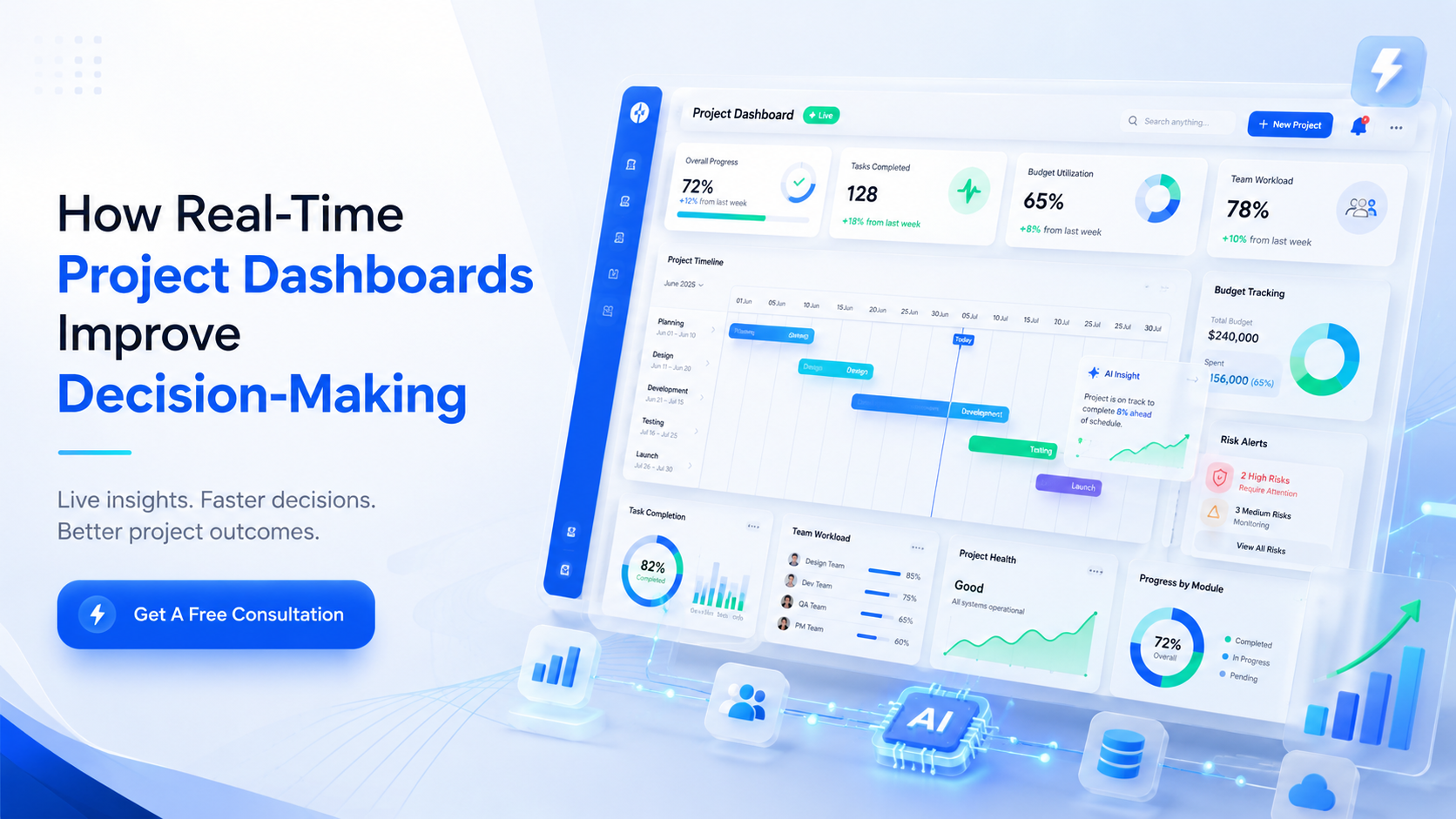
SaaS also enhances decision-making through real-time analytics. Integrated dashboards and reporting tools provide actionable insights, enabling businesses to respond quickly to market changes.
From a financial standpoint, SaaS improves ROI by reducing infrastructure costs, lowering IT overhead, and minimizing downtime. Subscription-based pricing ensures predictable expenses while eliminating the need for large upfront investments.
Security and compliance are also strengthened. Leading SaaS solution providers implement advanced measures such as encryption, identity management, and compliance with standards like GDPR and HIPAA, reducing the risk of data breaches.
How to Evaluate SaaS Solution Providers Based on Technical and Business Criteria?
Choosing the right SaaS solution provider requires evaluating both technical capabilities and business alignment.
From a technical perspective, organizations should assess the provider’s expertise in cloud-native development, including experience with AWS, Azure, or Google Cloud. The ability to design scalable architectures using microservices and multi-tenancy is essential for long-term growth.
Integration capabilities are another critical factor. SaaS platforms must seamlessly connect with existing enterprise systems such as CRM, ERP, and third-party tools to ensure data consistency and workflow continuity.
From a business standpoint, providers should demonstrate a clear understanding of industry-specific challenges. A strong portfolio, supported by case studies and measurable outcomes, indicates reliability and expertise.
Security practices must also be thoroughly evaluated. This includes data encryption, access control mechanisms, compliance certifications, and incident response strategies.
Finally, organizations should consider the provider’s approach to collaboration and support. Agile methodologies, transparent communication, and ongoing maintenance services are essential for successful long-term partnerships.
What Are the Best Practices for Implementing SaaS Software Solutions Successfully?
Successful SaaS implementation depends on structured planning and execution rather than just technology selection.
The first step is conducting a detailed requirements analysis to identify business objectives, operational challenges, and expected outcomes. This ensures that the chosen solution aligns with organizational goals.
Integration planning is equally important. A well-defined strategy ensures that the SaaS platform works seamlessly with existing systems, avoiding data silos and operational disruptions.
User adoption is another critical factor. Providing training and onboarding support helps employees transition smoothly and utilize the system effectively.
Post-deployment, organizations should continuously monitor performance metrics and user feedback. This allows for ongoing optimization and ensures that the system delivers maximum value over time.
How SaaS Software Solutions Enable Long-Term Business Transformation?
SaaS software solutions are not just tools for improving efficiency; they are enablers of long-term business transformation. By providing scalable infrastructure, real-time insights, and continuous innovation, SaaS platforms allow organizations to adapt quickly to changing market conditions.
They also support advanced capabilities such as artificial intelligence, machine learning, and predictive analytics, enabling businesses to gain deeper insights and improve decision-making.
Furthermore, SaaS solutions facilitate collaboration across geographically distributed teams, making them essential for modern, digital-first organizations.
As businesses continue to prioritize agility and innovation, SaaS adoption will remain a key driver of competitive advantage.
Conclusion
SaaS software solutions have become a core component of modern IT strategy, offering measurable improvements in efficiency, scalability, and cost management. Their cloud-native architecture enables organizations to operate more flexibly while reducing the complexity associated with traditional software systems.
Selecting the right SaaS solution provider is critical to realizing these benefits. A capable partner ensures not only successful implementation but also long-term scalability, security, and continuous improvement.
Organizations that invest in well-architected SaaS solutions position themselves for sustainable growth, improved operational performance, and a stronger competitive position in the market.
Ready to implement scalable SaaS software solutions for your business?
Our experience in delivering cloud-based SaaS platforms shows that achieving efficiency, scalability, and long-term growth depends on the right architecture and the right partner.
Schedule a Consultation or contact info@spiresoft.co
Frequently Asked Questions
What are SaaS software solutions and how are they different from traditional software?
SaaS software solutions are cloud-based applications that are accessed through the internet instead of being installed on local systems. Unlike traditional software, SaaS operates on a subscription model, requires no hardware setup, and provides automatic updates. This makes SaaS more scalable, cost-efficient, and easier to maintain for businesses of all sizes.
Why are businesses switching from traditional software to SaaS solutions?
Businesses are moving to SaaS primarily due to lower infrastructure costs, faster deployment, and flexibility. SaaS eliminates the need for maintaining servers and allows companies to scale operations without major investments. It also enables remote access and real-time collaboration, which is critical in modern distributed work environments.
How do SaaS solution providers ensure data security and compliance?
SaaS solution providers implement multiple layers of security, including data encryption, access controls, monitoring systems, and compliance frameworks such as GDPR and HIPAA. Security is a major concern for buyers, and evaluating a provider’s data protection policies is considered essential before selection.
How much does it cost to build or implement SaaS software solutions?
The cost of SaaS software solutions varies depending on complexity, features, and scale. MVP-level solutions typically range from $30,000 to $100,000, while mid-scale applications can cost between $100,000 and $300,000. Enterprise-level platforms often exceed $300,000 due to advanced architecture, integrations, and security requirements.
What should businesses look for when choosing SaaS solution providers?
Businesses should evaluate providers based on technical expertise, cloud experience, portfolio, and ability to scale solutions. It is also important to assess their approach to security, integration capabilities, and long-term support. Asking the right questions about data privacy, ROI, and customer success is critical when selecting a vendor.
How long does it take to develop a SaaS application?
The development timeline depends on the project scope. A basic SaaS MVP usually takes 3 to 6 months, while a fully developed SaaS platform may take 6 to 12 months or more. Factors such as integrations, scalability requirements, and compliance needs can extend the timeline.
Can SaaS software solutions integrate with existing business systems?
Yes, modern SaaS platforms are designed to integrate with existing systems such as CRM, ERP, and third-party tools through APIs. Seamless integration is essential to avoid data silos and ensure smooth business operations.
What are the biggest challenges businesses face with SaaS adoption?
Common challenges include integration complexity, data migration, user adoption, and customization limitations. Research from developer discussions shows that customization and integration issues are among the most frequently encountered problems when adopting modern platforms.
How do SaaS solutions improve business efficiency and ROI?
SaaS solutions improve efficiency by automating workflows, centralizing data, and reducing manual tasks. This leads to faster decision-making and better resource utilization. Additionally, SaaS reduces upfront costs and IT maintenance expenses, resulting in higher long-term ROI.
Is SaaS suitable for startups as well as enterprises?
Yes, SaaS is highly flexible and can support both startups and large enterprises. Startups benefit from low initial costs and rapid deployment, while enterprises leverage scalability, security, and advanced integrations to manage complex operations.
How scalable are SaaS software solutions for growing businesses?
SaaS solutions are built for scalability using cloud infrastructure and multi-tenant architecture. This allows businesses to add users, features, and resources without impacting performance, making it ideal for high-growth environments.
What questions should you ask a SaaS solution provider before hiring?
Businesses should ask about security practices, scalability, integration capabilities, pricing structure, and post-launch support. Questions around long-term ROI and customer success strategy are particularly important, as they reveal how the provider supports growth beyond initial deployment.
Why do SaaS users ask very specific technical questions instead of general ones?
User behavior shows that people often search for highly specific, problem-based queries rather than generic questions. For example, instead of asking about features, users ask why something breaks or how to fix a specific issue, highlighting the need for detailed and practical answers in SaaS content.
How do SaaS solutions reduce customer support workload?
SaaS platforms can integrate knowledge bases, automation, and AI-driven support systems that handle repetitive queries. Some systems have been shown to reduce customer support demand significantly by providing instant answers and insights to users.