Blog Post

Court Ordered Community Service in California | Spire Soft

November 24, 2025

Table Of Content

What if the biggest threat to compliance isn’t clients failing to complete court ordered community service — but the outdated systems meant to track them?

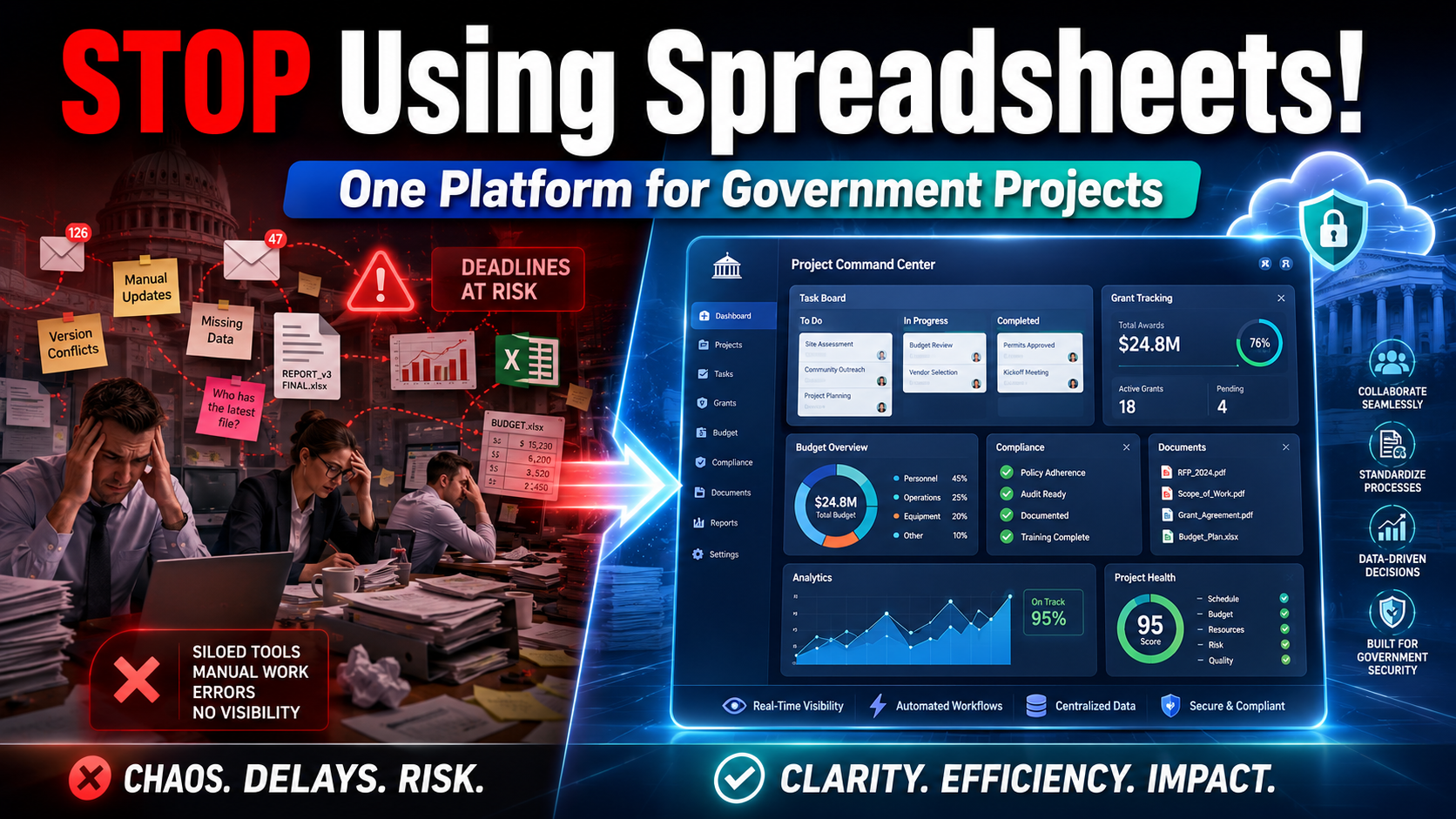
Across the country, courts assign community service and educational programs to support accountability, rehabilitation, and public safety. But while the justice system has evolved, many counties and nonprofits still track court ordered community service using manual workflows: paper sign-in sheets, handwritten logs, emails, spreadsheets, and disconnected systems.

The result?

Inconsistent documentation. Missing hours. Miscommunication with partner agencies. Inaccurate completion reports. And far too many staff hours spent chasing down paperwork.

For probation departments, diversion programs, behavioral-health organizations, and reentry nonprofits, the expectations are high: courts need accurate documentation, county agencies need audit-ready records, and clients must receive clear guidance to stay compliant. Yet manual workflows create delays, errors, and compliance risks that no organization can afford.

Automation is now the fastest and most reliable way to manage the full lifecycle of court ordered community service. With modern, intelligent systems — such as the platform built by Spire Soft — agencies gain precision, transparency, and real-time oversight across every client, every hour, and every provider.

This guide explains how automation reshapes the compliance landscape and why Spire Soft is the trusted partner for modernizing court-mandated service programs.

Why Manual Management of Court-Ordered Community Service No Longer Works

Community service is a court-mandated responsibility — meaning every recorded hour must be verifiable, accurate, and properly documented. But manual tools make that incredibly difficult.

Common challenges agencies face using manual workflows:

  • Paper forms that get lost, damaged, or submitted late

  • Hours logged by hand and then typed into spreadsheets

  • Conflicting data between courts, providers, and case managers

  • No centralized system to track completion progress

  • Delayed reporting to judges, probation officers, or attorneys

  • Staff spending hours verifying logs and calling providers

  • Inconsistent documentation leading to compliance disputes

  • No clear audit trail showing when hours were verified or approved

These issues cause:

  • Delayed case resolution

  • Frustrated clients

  • Compliance risks

  • Overwhelmed staff

  • Difficulty proving completed hours during court reviews

  • Reduced trust between courts and service providers

Automation solves these problems by standardizing workflows, enforcing validation rules, and making every action traceable.

What Automation Looks Like in a Court-Ordered Community Service Program

Automation is not just digitizing paperwork — it is redesigning how service assignments, hours, documentation, and communication flow across your entire network of providers and agencies.

Below is what a fully automated court-ordered community service system enables.

1. Digital Intake with Zero Missing Information

Instead of handwritten forms and scanned packets, clients complete a secure online intake that immediately generates a complete profile.

Automation ensures:

  • All required information is validated

  • Court orders, referral documents, and conditions are uploaded

  • Client profiles are automatically linked to programs and provider options

  • Intake data flows directly into reporting systems

From the first interaction, there's no ambiguity, no missing paperwork, and no manual data entry.

2. Smart Assignment to Approved Providers

Automation makes Provider Referral faster and more accurate than ever.

The system matches clients to providers based on:

  • Program type or requirement

  • Court-mandated rules

  • Provider capacity

  • Location or schedule

  • Eligibility criteria

  • Special considerations

Whether the client needs court mandated community service, court mandated anger management, or enrollment in an alcohol court ordered program, the system automatically routes them to the correct provider — no guesswork.

3. Digital Hour Tracking and Verification

Paper time sheets are replaced with real-time, digital hour logs accessible by clients, agencies, and service providers.

Providers can:

  • Log hours digitally

  • Upload proof or documentation

  • Add supervisor notes

  • Verify completion with one click

Agencies can:

  • See all hours in a centralized dashboard

  • Track client compliance in real time

  • Validate provider submissions

  • Identify clients who are falling behind

This eliminates disputes and ensures every hour is properly recorded and verified.

4. Automated Notifications That Improve Accountability

Automation eliminates the communication gaps that often lead to non-compliance.

Clients receive automated reminders for:

  • Upcoming service obligations

  • Missing documentation

  • Deadlines approaching

  • Follow-up requirements

  • Assigned classes, such as court-ordered anger management classes

Staff receive automated alerts when:

  • Providers fail to confirm hours

  • Clients fall behind schedule

  • Deadlines are at risk

  • Reports need review

This ensures accountability without adding workload.

5. Auto-Generated Court-Ready Reports

Instead of assembling spreadsheets or pulling information from multiple sources, automation generates complete, accurate reports instantly.

Reports include:

  • Completed service hours

  • Outstanding hours

  • Documentation uploaded

  • Provider verification

  • Compliance status

  • Court-ready summaries

  • Audit logs

Courts receive precise, standardized documentation — every time.

How Automation Supports Broader Court-Ordered Programs

Modern community-service oversight doesn’t exist in isolation. Courts often assign additional programs such as:

  • court ordered anger management classes

  • alcohol court ordered program

  • Substance abuse education

  • Cognitive behavioral classes

  • Parenting or life-skills courses

Spire Soft unifies all of these into one ecosystem, offering a complete All-in-One Court Ordered Class Management Software solution.

This means agencies get one system for:

  • Class Scheduling

  • Attendance Tracking

  • Payment Management

  • Provider Referral

  • Court Ordered Community Service

  • Anger Management & Alcohol Programs

  • Compliance Reporting

No more juggling multiple systems. One platform manages everything.

Why Spire Soft Is the Best Choice for Court-Ordered Community Service Automation

Spire Soft’s platform is built specifically for communities, courts, and nonprofits that manage complex, compliance-heavy programs. Unlike generic case-management tools, Spire Soft understands the operational and legal nuances of court mandated community service and related court-directed programs.

1. Built for Court, County, and Nonprofit Workflows

Spire Soft aligns with:

  • Court-ordered program rules

  • Service hour verification requirements

  • Provider eligibility and capacity

  • Multi-agency reporting

  • Audit and documentation standards

  • Nonprofit community-service workflows

Your existing processes are preserved — just made more efficient.

2. Secure Cloud Hosting with Compliance Protections

Community-service data is sensitive. Spire Soft uses:

  • Encryption in transit and at rest

  • Role-based access controls

  • Full audit trails

  • Automated backups

Every action is logged and protected.

3. Customizable to Programs of Any Size or Complexity

Whether your organization handles 50 clients or 50,000, Spire Soft adapts to:

  • Complex service-hour rules

  • Multi-provider networks

  • Multiple class types

  • Tiered provider approval

  • Unique referral pathways

  • Multiple court jurisdictions

No two programs are alike — and Spire Soft is built to support that.

4. Real-Time Dashboards and Reporting

Agency leaders gain immediate visibility into:

  • Client progress

  • Provider performance

  • Completion rates

  • Non-compliance alerts

  • Monthly and quarterly summaries

  • Court-ready documentation

Reporting becomes a strength, not a burden.

5. Smooth Implementation and Long-Term Partnership

Spire Soft supports you through:

  • Workflow assessment

  • Data migration

  • Full configuration

  • Role-based training

  • Go-live support

  • Ongoing optimization

You’re never left to figure it out alone — Spire Soft stays involved.

Step-by-Step Look at Spire Soft’s Implementation Process:

Implementing a modern system for court-ordered community service, referral management, or court-mandated class tracking should feel structured, predictable, and low-stress. Spire Soft follows a proven, repeatable rollout framework designed specifically for public-sector and nonprofit teams that cannot afford downtime or disruption.

1. Full Assessment of Your Current Process

Before any configuration begins, Spire Soft conducts a detailed review of your existing workflows to ensure the system is built around your real operational needs.

During this phase, Spire Soft evaluates:

  • Paper forms and intake packets

  • Provider and partner agency lists

  • Referral and approval pathways

  • Documentation and reporting requirements

  • Community-service hour rules and compliance criteria

  • Class and program management workflows

This assessment guarantees that the platform reflects how your organization actually works — not a generic template.

2. System Configuration Tailored to Your Program

Once requirements are documented, Spire Soft configures the system to align seamlessly with your processes, compliance expectations, and provider network.

Configuration includes:

  • Community service workflows and approval steps

  • Provider referral logic and eligibility pathways

  • Class and program settings for all mandated programs

  • Automated notifications for clients, staff, and providers

  • Hour-tracking rules for verification and approval

  • Court-ready reporting templates and dashboards

Every rule, form, and process is customized to match your jurisdiction and program structure.

3. Secure and Validated Data Migration

Data migration can be one of the most stressful parts of modernization — but Spire Soft handles it with precision and verification.

Data migrated includes:

  • Provider directories and agency partners

  • Client records and demographic data

  • Historical community-service hours

  • Past class attendance

  • Payment histories and balances

  • Case notes and documentation archives

All data is cleaned, validated, mapped accurately, and imported securely to ensure continuity on day one.

4. Role-Based Training for Every Team Member

Successful implementation requires confident, well-prepared staff. Spire Soft delivers targeted training for every user group so each role learns exactly what they need — no more, no less.

Training is tailored for:

  • Probation officers and supervision staff

  • Case managers

  • Community-service providers

  • Class facilitators

  • Program supervisors

  • Administrators and leadership teams

Training includes live instruction, hands-on practice, and access to documentation and video walkthroughs.

5. Go-Live Support and Long-Term Partnership

Once the system is ready, your organization goes live — and Spire Soft stays closely involved to ensure a smooth transition.

During go-live, Spire Soft provides:

  • Real-time monitoring and issue resolution

  • Immediate support for staff questions

  • Workflow fine-tuning as teams adjust

  • Post-launch optimization

  • Continuous enhancements as your program evolves

This is not a one-time deployment. Spire Soft remains a long-term partner committed to your success, compliance, and operational excellence.

Conclusion

Court-ordered community service is a critical part of the justice system — supporting accountability, rehabilitation, and community impact. But managing it manually creates risk, delays, and unnecessary workload.

Automation helps agencies:

  • Eliminate paperwork

  • Track hours accurately

  • Improve Provider Referral workflows

  • Manage programs like anger management and alcohol courses

  • Strengthen compliance

  • Reduce staff workload

  • Generate court-ready reports instantly

Spire Soft provides a powerful, purpose-built platform that handles every step with accuracy, security, and ease — giving counties, courts, and nonprofits the tools they need to support successful outcomes.

To modernize your community-service operations from day one, contact info@spiresoft.co or schedule a free demo.

Frequently Asked Questions (FAQs)

1. Can Spire Soft track both community service hours and court-ordered classes?

Yes. Spire Soft offers an All-in-One court-ordered class Management Software that manages both programs in one system.

2. Does the platform support complex provider networks?

Absolutely. Spire Soft includes robust Provider Referral workflows designed for multi-agency environments.

3. Is the system secure enough for court and county requirements?

Yes. Spire Soft implements HIPAA-aligned and CJIS-aligned security protocols with encryption and full audit logs.

4. What about programs like court-mandated anger management or alcohol programs?

Spire Soft supports court-ordered anger management classes, alcohol court-ordered program requirements, and more.

5. Can small nonprofits use the system?

Yes. The system scales easily for small, mid-sized, and large agencies.

6. Can providers verify community service hours digitally?

Yes. Providers can log and verify hours from any device.

7. How long does implementation take?

Most agencies complete onboarding within 6–8 weeks, including training and data migration.

Share via

Discover Our Collection Of Insights

Delivering Excellence Through Customization, Innovation And Expertise.

View all
Still have questions for Spire Soft?

We're here to help—reach out to our team for answers, guidance, or more information about our services.